
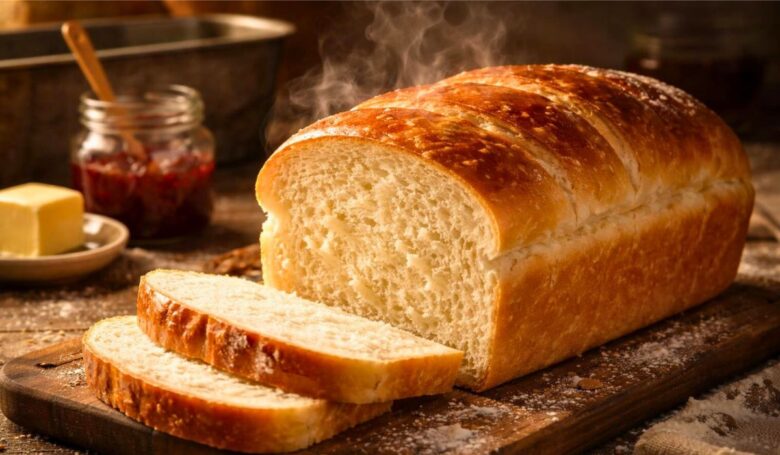
Homemade white bread feels like a warm hug. The smell fills your whole home. In this James Martin white bread recipe and I share an easy way to bake soft and fluffy bread.
This James Martin white bread recipe is simple enough for beginners. If you love baking, this James Martin white bread recipe will quickly become a favorite.
My Story With This Comforting White Bread
I still remember my first loaf of homemade bread. The crust was too hard. The inside was a little heavy. But the smell was amazing, and I felt so proud.
Later, I watched James Martin bake white bread on TV. He made it look calm, simple, and joyful. No stress and just gentle kneading and patience. I tried my own white bread recipe inspired by his style. It changed my baking life.
Now this white bread is part of my weekend routine. I love the quiet time while the dough rises. I enjoy the soft feel of the dough under my hands. Sharing warm slices with butter and jam feels special every time. Today, I am sharing my own version with you, step by step.
Equipment List
- Large mixing bowl
- Small bowl or jug for yeast
- Digital kitchen scale or measuring cups and spoons
- Wooden spoon or dough scraper
- Clean kitchen towel or cling film
- 1 standard loaf tin (about 900 g / 2 lb)
- Oven
- Wire cooling rack
- Pastry brush (optional, for milk or butter on top)
Recipe Overview
- Recipe Name: James Martin White Bread
- Servings: 10–12 slices
- Prep Time: 20 minutes (plus 1–2 hours rising)
- Cook Time: 25–30 minutes
- Total Time: About 2 hours 30 minutes
- Course: Bread, Side
- Cuisine: British, European
- Calories: Around 160–180 kcal per slice
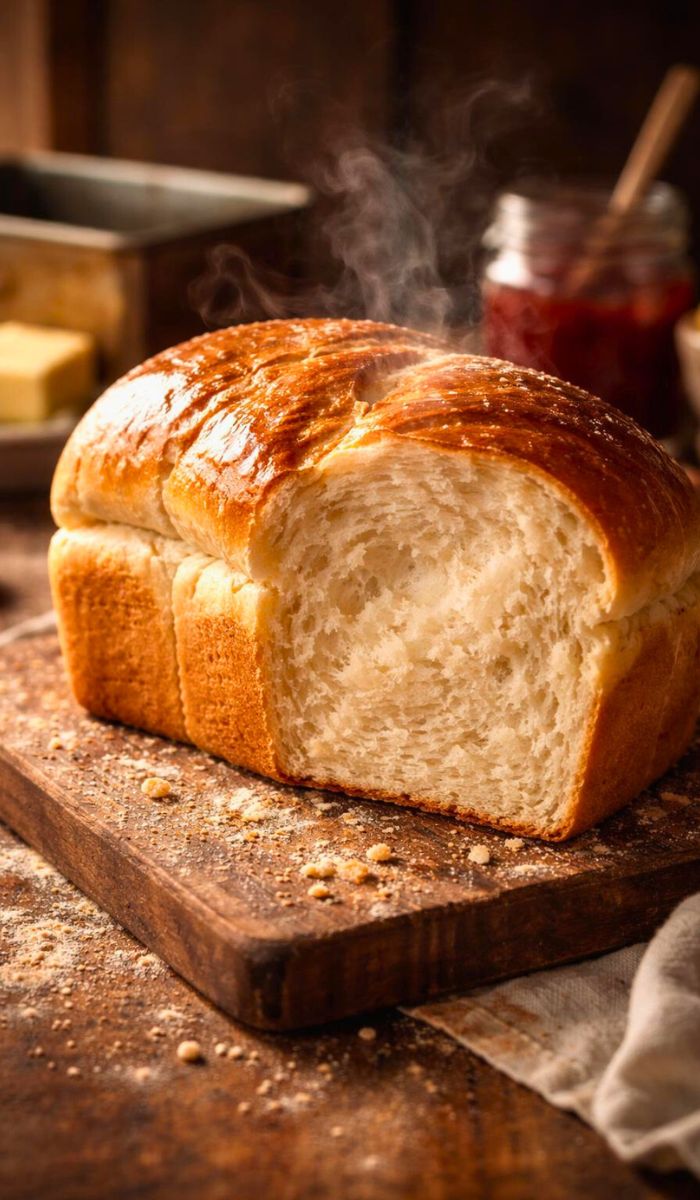
Ingredients for James Martin White Bread Recipe
These are the main ingredients for James Martin white bread. Use good quality flour for best results.
- Strong white bread flour – 500 g (about 4 cups)
- Warm water – 300 ml (about 1¼ cups), not hot
- Instant or fast-action yeast – 7 g (about 2¼ teaspoons)
- Caster sugar – 1 tablespoon
- Fine salt – 1½ teaspoons
- Unsalted butter, softened – 30 g (about 2 tablespoons), plus extra for greasing
- Extra flour for dusting – as needed
Instruction for James Martin White Bread Recipe
- Prepare the Yeast
In a small jug, mix warm water with sugar. Sprinkle yeast on top. Leave for 5–10 minutes until it looks frothy and creamy. - Mix the Dry Ingredients
In a large bowl, add strong white bread flour and salt. Stir them together with a spoon. Make a small well in the center for the liquid. - Bring the Dough Together
Pour the yeast mixture into the flour well. Add the softened butter. Stir slowly until a rough dough forms and most flour is mixed in. - Start Kneading the Dough
Lightly flour your work surface. Turn the dough out of the bowl. Knead with your hands for about 8–10 minutes until smooth and elastic. - Check the Dough Texture
The dough should feel soft but not sticky. Add a tiny bit more flour if needed. Do not add too much or the bread will be dry. - First Rise of the Dough
Shape the dough into a ball. Place it in a lightly greased bowl. Cover with a clean towel or cling film. Leave in a warm place for 1 hour. - Let the Dough Double
After one hour, check the dough. It should be about double in size. Gently press with a finger. If the dent stays, it is ready. - Knock Back the Dough
Tip the risen dough onto a floured surface. Gently press out the air with your hands. This helps create an even, fine crumb later. - Shape for the Loaf Tin
Shape the dough into a neat log. Tuck the edges under so the top is smooth. Place the dough, seam side down, into a greased loaf tin. - Second Rise in the Tin
Cover the tin loosely with a towel or cling film. Leave in a warm spot for 30–40 minutes. The dough should rise just above the tin. - Preheat the Oven
While the dough rises, preheat your oven to 220∘C (fan 200°C) or 425°F. Make sure the oven is fully hot before baking. - Optional Topping for the Crust
For a soft crust, brush the top with a little milk. For a slightly richer finish, brush with melted butter. This step is optional but lovely. - Bake the White Bread
Place the tin in the center of the oven. Bake for 25–30 minutes. The top should be golden and the loaf should rise nicely. - Check If the Bread Is Done
Remove the loaf from the tin carefully. Tap the bottom of the bread. It should sound hollow. If not, bake 5 more minutes. - Cool Before Slicing
Place the loaf on a wire rack. Let it cool fully before cutting. This keeps the crumb soft and prevents squashing the slices.
Cooking Tips and Simple Recipe Variations
- Use strong bread flour for better structure and chewy texture.
- The water should feel warm like a baby’s bath, not hot.
- Knead until the dough feels springy and smooth, not rough.
- If your kitchen is cold, let the dough rise in a slightly warm oven.
- For a richer loaf, replace 50 ml water with warm milk.
- Add 1–2 tablespoons olive oil instead of butter for a lighter taste.
- Sprinkle sesame seeds or poppy seeds on top before baking.
- Mix in 2 tablespoons grated cheese for a subtle cheesy flavor.
- For wholemeal variation, swap 150 g white flour for wholemeal flour.
- To freeze, slice the bread and freeze in bags for easy toast later.
Little History Behind This Comfort Food
Bread is one of the oldest foods in the world. People have baked simple loaves for thousands of years. White bread became popular in Europe when milling improved. It felt fancy because it was soft and light.
In British homes, a simple white loaf is classic comfort food. Chefs like James Martin helped keep this tradition alive on modern TV. Viewers watched him bake bread by hand, not just with machines. That gentle, slow approach made people fall in love with homemade bread again.
Today, many home cooks enjoy learning how to make white bread. It connects us to old kitchen stories and family memories. A fresh slice with butter can feel like history on a plate.
What to Serve With This Dish
- Thick slices with butter and jam for breakfast
- Toast with eggs, beans, or grilled tomatoes
- Soft sandwiches with cheese, chicken, or salad
- Warm bread with soup, like tomato or vegetable
- Garlic bread style, brushed with butter and garlic
- Simple bread with olive oil and balsamic vinegar
- Sweet treat with Nutella, honey, or peanut butter
Occasion or Event Ideas
- Lazy weekend breakfast with family
- Afternoon tea with friends and homemade jam
- Picnic sandwiches in the park
- School or office lunchbox sandwiches
- Comfort food dinner with soup on a rainy day
- Homemade bread gift for a neighbor or friend
- Holiday table, sliced in a basket with butter
Storage and Reheating Tips
- Store cooled bread in a bread box or paper bag, not the fridge.
- For short storage, keep at room temperature for 2–3 days.
- For longer storage, slice and freeze in airtight bags.
- Reheat slices in a toaster for a fresh-baked feel.
- To refresh a whole loaf, warm it in the oven for 5–8 minutes.
Nutrition Information
These values are estimates for one slice, based on 12 slices.
| Nutrient | Amount per slice |
|---|---|
| Calories | 170 kcal |
| Carbohydrates | 30 g |
| Protein | 6 g |
| Fat | 3 g |
| Saturated Fat | 1.5 g |
| Fiber | 1.5 g |
| Sodium | 220 mg |
Is This Dish Good for You?
This James Martin white bread recipe can be part of a balanced diet. It gives you energy from carbohydrates and some protein from the flour. The fat mainly comes from butter, which adds flavor and softness.
Enjoy it in normal portions, and pair it with healthy toppings like eggs, lean meats or fresh vegetables. If you want more fiber, you can replace some white flour with wholemeal. Homemade bread also avoids many additives found in some shop loaves.

James Martin White Bread Recipe

Ingredients
- Strong white bread flour – 500 g about 4 cups
- Warm water – 300 ml about 1¼ cups, not hot
- Instant or fast-action yeast – 7 g about 2¼ teaspoons
- Caster sugar – 1 tablespoon
- Fine salt – 1½ teaspoons
- Unsalted butter softened – 30 g (about 2 tablespoons), plus extra for greasing
- Extra flour for dusting – as needed
Instructions
Prepare the Yeast
- In a small jug, mix warm water with sugar. Sprinkle yeast on top. Leave for 5–10 minutes until it looks frothy and creamy.
Mix the Dry Ingredients
- In a large bowl, add strong white bread flour and salt. Stir them together with a spoon. Make a small well in the center for the liquid.
Bring the Dough Together
- Pour the yeast mixture into the flour well. Add the softened butter. Stir slowly until a rough dough forms and most flour is mixed in.
Start Kneading the Dough
- Lightly flour your work surface. Turn the dough out of the bowl. Knead with your hands for about 8–10 minutes until smooth and elastic.
Check the Dough Texture
- The dough should feel soft but not sticky. Add a tiny bit more flour if needed. Do not add too much or the bread will be dry.
First Rise of the Dough
- Shape the dough into a ball. Place it in a lightly greased bowl. Cover with a clean towel or cling film. Leave in a warm place for 1 hour.
Let the Dough Double
- After one hour, check the dough. It should be about double in size. Gently press with a finger. If the dent stays, it is ready.
Knock Back the Dough
- Tip the risen dough onto a floured surface. Gently press out the air with your hands. This helps create an even, fine crumb later.
Shape for the Loaf Tin
- Shape the dough into a neat log. Tuck the edges under so the top is smooth. Place the dough, seam side down, into a greased loaf tin.
Second Rise in the Tin
- Cover the tin loosely with a towel or cling film. Leave in a warm spot for 30–40 minutes. The dough should rise just above the tin.
Preheat the Oven
- While the dough rises, preheat your oven to 220∘220∘C (fan 200°C) or 425°F. Make sure the oven is fully hot before baking.
Optional Topping for the Crust
- For a soft crust, brush the top with a little milk. For a slightly richer finish, brush with melted butter. This step is optional but lovely.
Bake the White Bread
- Place the tin in the center of the oven. Bake for 25–30 minutes. The top should be golden and the loaf should rise nicely.
Check If the Bread Is Done
- Remove the loaf from the tin carefully. Tap the bottom of the bread. It should sound hollow. If not, bake 5 more minutes.
Cool Before Slicing
- Place the loaf on a wire rack. Let it cool fully before cutting. This keeps the crumb soft and prevents squashing the slices.
Notes
- Use strong bread flour for better structure and chewy texture.
- The water should feel warm like a baby’s bath, not hot.
- Knead until the dough feels springy and smooth, not rough.
- If your kitchen is cold, let the dough rise in a slightly warm oven.
- For a richer loaf, replace 50 ml water with warm milk.
- Add 1–2 tablespoons olive oil instead of butter for a lighter taste.
- Sprinkle sesame seeds or poppy seeds on top before baking.
- Mix in 2 tablespoons grated cheese for a subtle cheesy flavor.
- For wholemeal variation, swap 150 g white flour for wholemeal flour.
- To freeze, slice the bread and freeze in bags for easy toast later.
FAQs about James Martin White Bread Recipe
1. How to make James Martin white bread if I am a beginner?
If you are new to baking, follow each step slowly. Measure ingredients carefully and use warm, not hot, water. Knead until the dough feels smooth and stretchy. Give the dough enough time to rise in a warm place. Be patient, and your first loaf will still taste great.
2. Can I make this white bread recipe without a loaf tin?
Yes, you can shape the dough into a round or oval loaf instead. Place it on a floured baking tray for the second rise. Score the top with a sharp knife before baking to help it expand. The baking time may change slightly, so check for that hollow sound underneath.
3. What can I do if my dough does not rise well?
First, check your yeast is fresh and not expired. Also make sure the water was warm, not boiling hot, so the yeast stays alive. Place the covered dough in a warmer spot, like near a sunny window or gently warmed oven. If the dough still rises slowly, give it extra time before shaping.
4. Can I use all-purpose flour instead of strong bread flour?
You can use all-purpose flour, but the texture will be a little different. The bread may be softer and less chewy because of lower protein. If possible, mix some strong flour with all-purpose for better structure. Still, the flavor will be nice and the loaf very useful for sandwiches and toast.
5. How long does homemade white bread stay fresh?
Homemade white bread usually stays soft for about two to three days. Keep it in a bread box or wrapped in a clean cloth, not in the fridge. If you cannot finish it in time, slice and freeze the rest. That way, you can enjoy fresh toast or sandwiches anytime you like.
Final Thoughts
Baking this James Martin white bread recipe is more than just cooking. It is a small, gentle ritual that slows the day down.
From mixing the ingredients for James Martin white bread to smelling it in the oven, each step feels calming. You control what goes into your bread, and you create something warm and real with your own hands.
Hi! I’m Livy Lane, the creator of LivyCooks.com. I share easy, delicious recipes anyone can make at home. Let’s cook, taste and enjoy every bite together!